Spotify is making a major move into AI, teaming up with music’s biggest players—Universal Music Group (UMG), Sony Music Group, Warner Music Group, Merlin, and Believe. Together, they plan to create AI-powered tools that prioritize creativity, fair pay, and artistic control.
In a detailed blog post, Spotify announced that it’s launching both an AI research lab and a new product team dedicated to responsible innovation. These groups are already collaborating with artists, songwriters, and producers to ensure AI enhances human creativity instead of replacing it.
A Commitment to Responsible Innovation
Spotify stressed that its approach to AI is rooted in respect for musicians’ rights and copyright protection. The company pushed back against parts of the tech industry that advocate for looser copyright rules, saying innovation must not come at the expense of creators.
“Musicians’ rights matter. Copyright is essential,” the post stated. Spotify believes artists and rightsholders should lead the conversation on AI, helping shape ethical and sustainable ways for technology to serve the industry.
Industry Support Signals a Major Shift
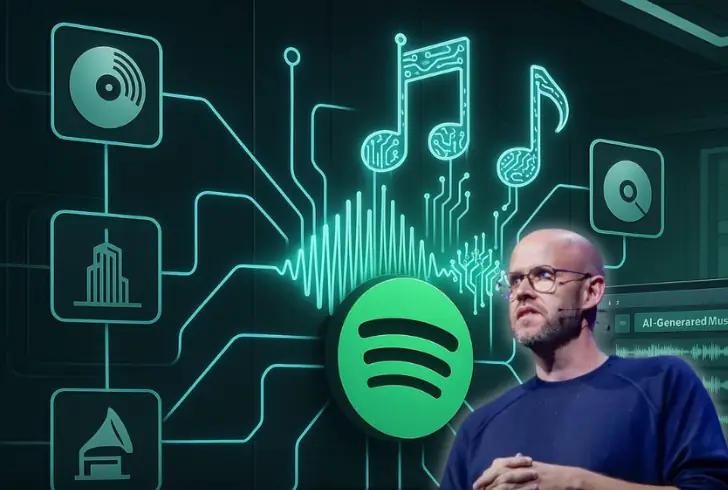
For once, the major labels seem aligned. The collaboration with UMG, Sony, and Warner represents a notable show of unity in a space often marked by tension over royalties and technology. The message is clear: if AI is going to reshape music, it should do so with artists—not without them.
Recent controversies haven’t made things easy for Spotify. Some artists, including King Gizzard and the Lizard Wizard and Xiu Xiu, recently removed their catalogs due to concerns about investments linked to military technology. Yet, this new partnership appears to refocus the conversation on music innovation, ethics, and creative control.
Inside Spotify’s AI Principles
Spotify shared four clear principles that will guide its AI product development:
1. Work directly with rightsholders — Spotify promised to collaborate upfront with labels, distributors, and publishers before launching new tools. The goal is to secure permissions in advance instead of asking for forgiveness later.
2. Artist choice and control — Musicians and rightsholders will decide how or if they want their content involved in AI projects. This ensures that participation aligns with each artist’s values.
3. Fair compensation — The company said AI tools will create new revenue opportunities for artists and songwriters, with clear credit and payment structures.
4. Human artistry first — Spotify committed to using AI to assist creativity, not replace it. The tools will help artists connect with fans and discover new ways to make and share music.
Leaders in the Music Industry React
UMG’s chairman and CEO, Lucian Grainge, expressed optimism about the collaboration. He said it’s vital for music companies and tech leaders to work together to ensure AI supports artists and doesn’t exploit them. “This partnership shows that creative industries and technology companies can thrive together,” he said.
Sony Music Group’s chairman, Rob Stringer, agreed. He called the partnership “a step toward responsible innovation,” adding that direct licensing before releasing new products ensures a fair and transparent process.
Warner Music Group CEO Robert Kyncl also shared his thoughts, emphasizing that WMG’s focus has always been to make sure AI serves creators, not the other way around. He said, “Collaboration is essential to protect rights and reward creative work.”
Charlie Lexton, COO of Merlin, said the partnership aims to enhance opportunities for independent artists while building a balanced music ecosystem. Similarly, Believe’s founder and CEO, Denis Ladegaillerie, praised the initiative, saying that working with Spotify will help create “AI tools that drive artistic growth and open new commercial paths.”
How Spotify Is Leading the AI Music Movement
Spotify’s leadership team believes that artificial intelligence could redefine how music is created and experienced, but only if it’s done the right way. Co-president Alex Norström explained that technology should always work for artists. “Innovation must protect their rights, honor their creative choices, and help fans discover music they love,” he said.
Gustav Söderström, Spotify’s co-president and chief product and technology officer, described AI as “the most significant technological shift since the smartphone.” He explained that Spotify wants to shape this change responsibly, ensuring the same ethical principles that helped the company succeed during the early streaming era.
Spotify’s partnership sends an unmistakable message to the AI music sector. As some startups—including Suno and Udio—grapple with lawsuits over unauthorized data use, Spotify’s strategy highlights how licensing and collaboration can build a stronger, fairer future for AI-generated music.
Building the Future of Music
This moment marks a shift in how the music world embraces technology. With major labels lending their support, Spotify is well-positioned to shape global standards for the responsible use of AI. The company’s goal is straightforward: to merge innovation with integrity, giving creators more freedom, not less.
Ultimately, it reinforces a vital truth: technology should strengthen art’s foundation, not cast a shadow over it.